
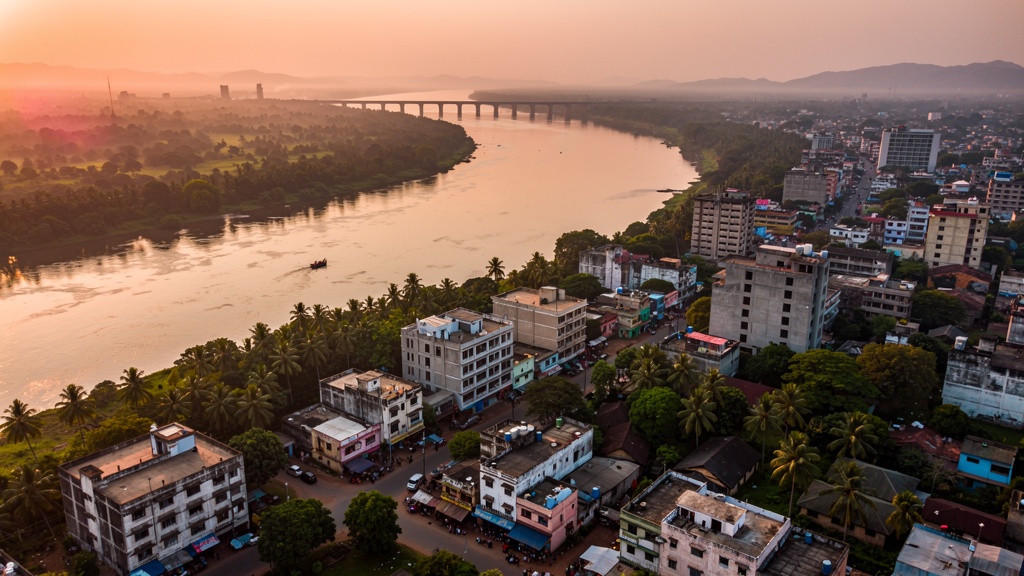
Hirakud Dam
The Hirakud Dam is the world's longest earthen dam, stretching an impressive 26 km across the mighty Mahanadi River. Built in 1957, this engineering marvel created the Hirakud Reservoir — one of Asia's largest artificial lakes.
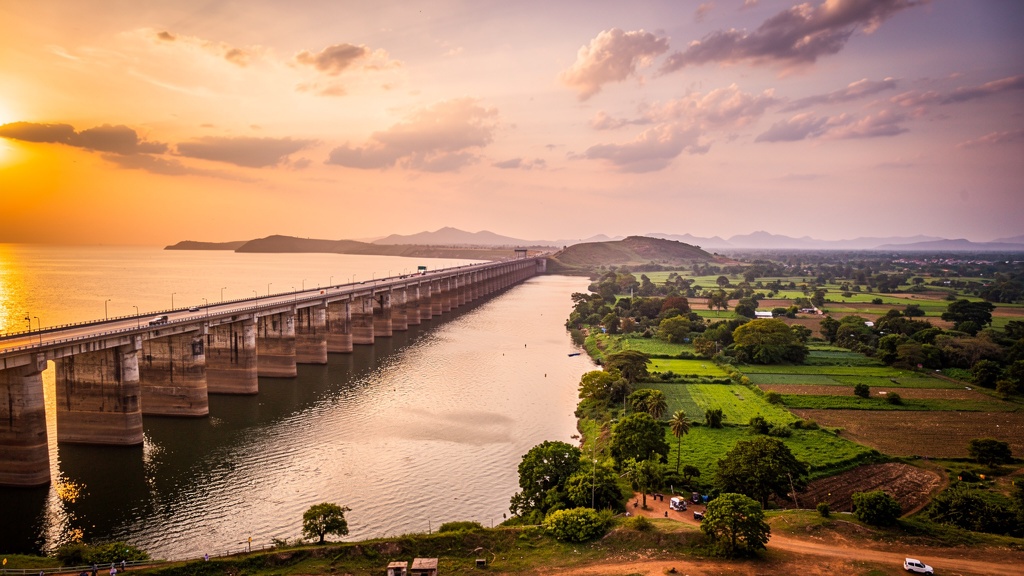
Visitors can enjoy breathtaking panoramic views from the observation points, take a thrilling ropeway ride across the reservoir, explore the lush Gandhi Minar and Nehru Minar viewpoints, or enjoy a peaceful boat ride on the serene waters.
The dam's islands — including the famous Lambtibahar and Dukradhar — offer picnic spots surrounded by nature. Sunrise and sunset are particularly magical here, with the golden light reflecting off the vast water body.
Photography tip: Visit during October–March for the best lighting conditions. The dam looks spectacular during the monsoon when water levels are high.
Nearby Attractions
Combine your visit with a trip to Debrigarh Wildlife Sanctuary (just across the reservoir) or the Leaning Temple of Huma downstream. The Hirakud Eco-campsite offers overnight stays in luxury tents.
Samaleswari Temple
The Samaleswari Temple is the most revered shrine in Western Odisha, dedicated to Goddess Samaleswari — the presiding deity of Sambalpur. This ancient temple showcases exquisite Kalinga-style architecture with intricate stone carvings.
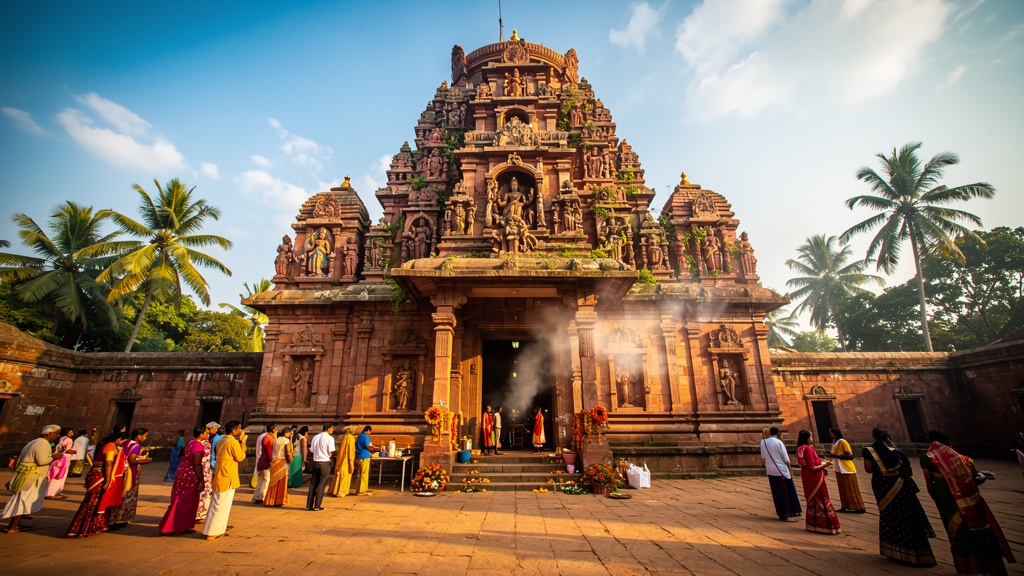
The temple's main sanctum houses a unique idol of the goddess — a svayambhu (self-manifested) form. The temple complex includes several smaller shrines and a spacious courtyard where festivals are celebrated with great fervor.
The annual Samaleswari Temple Festival and Navaratri celebrations draw thousands of devotees. The temple is particularly vibrant during the Sital Sasthi festival, which commemorates the celestial wedding of Lord Shiva and Goddess Parvati.
Dress code: Traditional attire is appreciated. Photography inside the main sanctum is usually not permitted. Follow local customs and remove footwear before entering.
Leaning Temple of Huma
The Leaning Temple of Huma is one of India's most unique architectural marvels — a Shiva temple built on the banks of the Mahanadi River that leans at a noticeable angle, much like the Leaning Tower of Pisa!
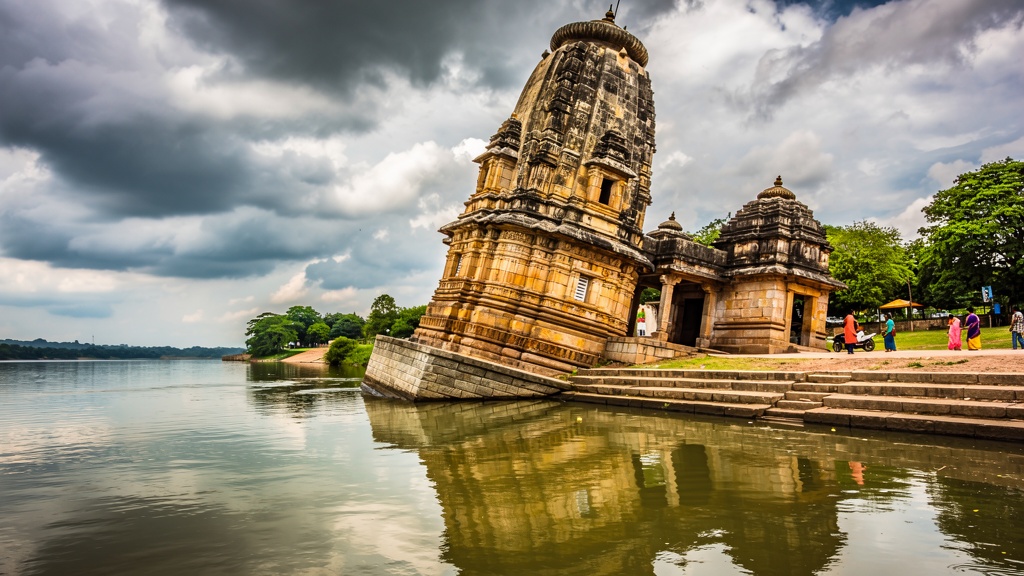
Believed to have been built in the 17th century by the Chauhan king, the temple is dedicated to Lord Shiva (known here as Bimaleswar). The leaning is attributed to either architectural design or seismic activity over centuries — adding to its mystique.
The temple also has a unique resident — the Mahanadi crocodiles that can be spotted basking on the riverbanks nearby. These crocodiles are considered sacred by locals and are often fed as part of temple rituals.
The serene location on the riverbank, the gentle sound of flowing water, and the temple's unique tilt make this an unmissable spot for photographers and history enthusiasts.
Best time to visit: Early morning or late afternoon for the best light and to spot crocodiles. Combine with a Hirakud Dam visit as it's on the way.
Debrigarh Wildlife Sanctuary
Located on the banks of the Hirakud Reservoir, Debrigarh Wildlife Sanctuary is a lush protected forest spread over 340 sq km. It's a haven for wildlife enthusiasts, featuring diverse flora and fauna in a pristine natural setting.
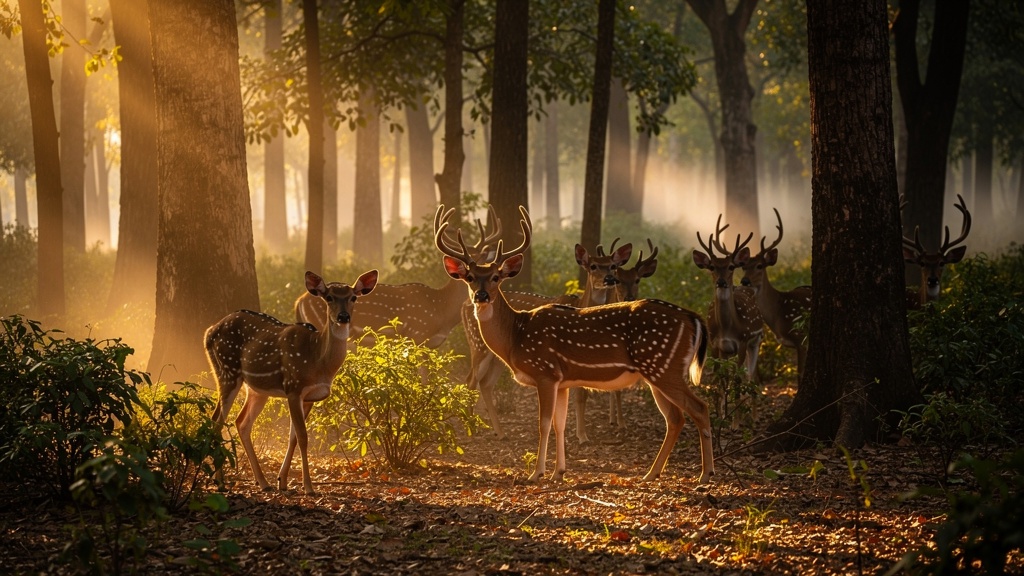
The sanctuary is home to leopards, spotted deer, sambar, wild boar, hyenas, and over 200 species of birds. The best way to explore is through a jeep safari that takes you deep into the forest. The sanctuary also offers boat safaris along the reservoir edge for a unique perspective.
Inside the sanctuary, the historic Debrigarh Fort — built in the 18th century — offers a glimpse into the region's royal past. The trek to the fort is moderately challenging and rewarding with panoramic views of the reservoir and forest.
Eco-tourism: The Odisha Forest Department runs eco-camps and guided tours. Overnight stays in forest guesthouses are available with prior booking.
Gudguda Waterfall
Gudguda Waterfall is a stunning natural cascade located in the forested hills near Sambalpur. The waterfall gets its name from the gurgling sound ("gudgud") of water as it plunges down the rocky face into a natural pool below.
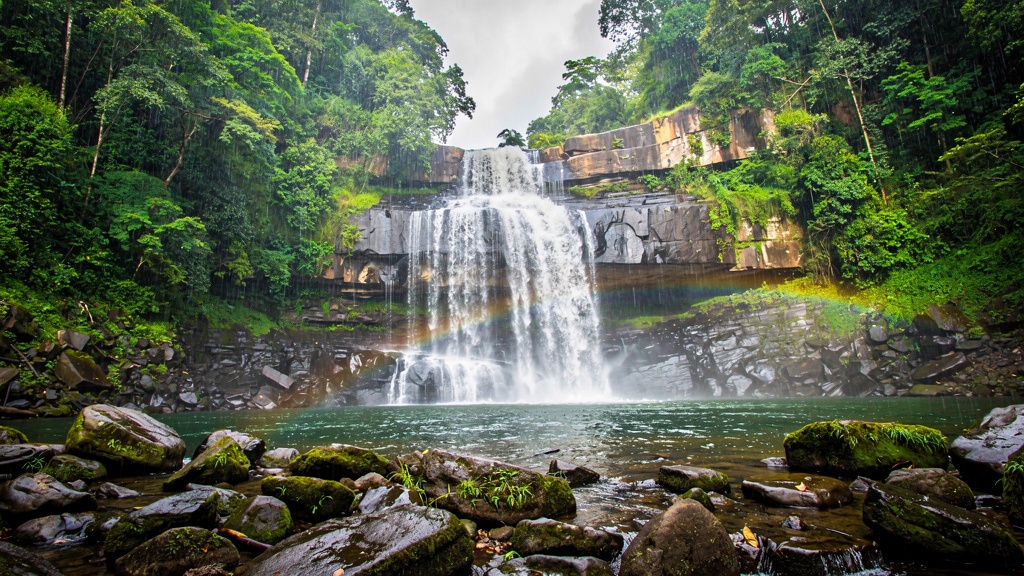
Surrounded by dense forests, the waterfall is at its most magnificent during the monsoon season (July–September) when the water volume is at its peak. The natural pool at the base is inviting for a refreshing dip — but always exercise caution as currents can be strong.
The area is a popular picnic spot for locals and travelers alike. The short trek through the forest to reach the falls adds to the adventure. The canopy of trees provides ample shade, making it pleasant even during warmer months.
Note: The road to Gudguda can be rough during monsoon. It's advisable to use a private vehicle or hire a local cab. Carry drinking water and snacks as facilities are limited.
Ghanteswari Temple
Perched on the banks of the Mahanadi River near the Hirakud Dam, the Ghanteswari Temple is a revered shrine dedicated to Goddess Ghanteswari. The temple gets its name from the thousands of bells ("ghanti") that devotees offer to the goddess.
The temple's unique feature is the bell arch — a structure covered with hundreds of brass bells of various sizes, each tied by a devotee whose prayer was answered. The gentle chiming of bells in the breeze creates a serene, spiritual atmosphere.
The location offers spectacular views of the Hirakud Dam reservoir and is particularly beautiful during the evening aarti when the lamps are lit and the water shimmers in the twilight. It's a short detour from the main dam viewpoint.
Ushakothi Wildlife Sanctuary
Also known as the Badrama Wildlife Sanctuary, Ushakothi is another gem for nature lovers. The sanctuary is part of the larger elephant migration corridor and features a mix of tropical deciduous forests and grasslands.
Wildlife sightings include Indian elephants, leopards, pangolins, giant squirrels, and numerous bird species. The sanctuary also has a beautiful watchtower that offers panoramic views of the forest canopy.
The sanctuary is less frequented than Debrigarh, offering a more secluded wildlife experience. The nearby Ushakothi Dam and the surrounding landscape make for a peaceful getaway.